UAE Explores Hydropower Project in Ras Al Khaimah Mirroring Dubai's Hatta Plant
The UAE is assessing a pumped-storage hydropower project in Ras Al Khaimah to boost energy storage and resilience.
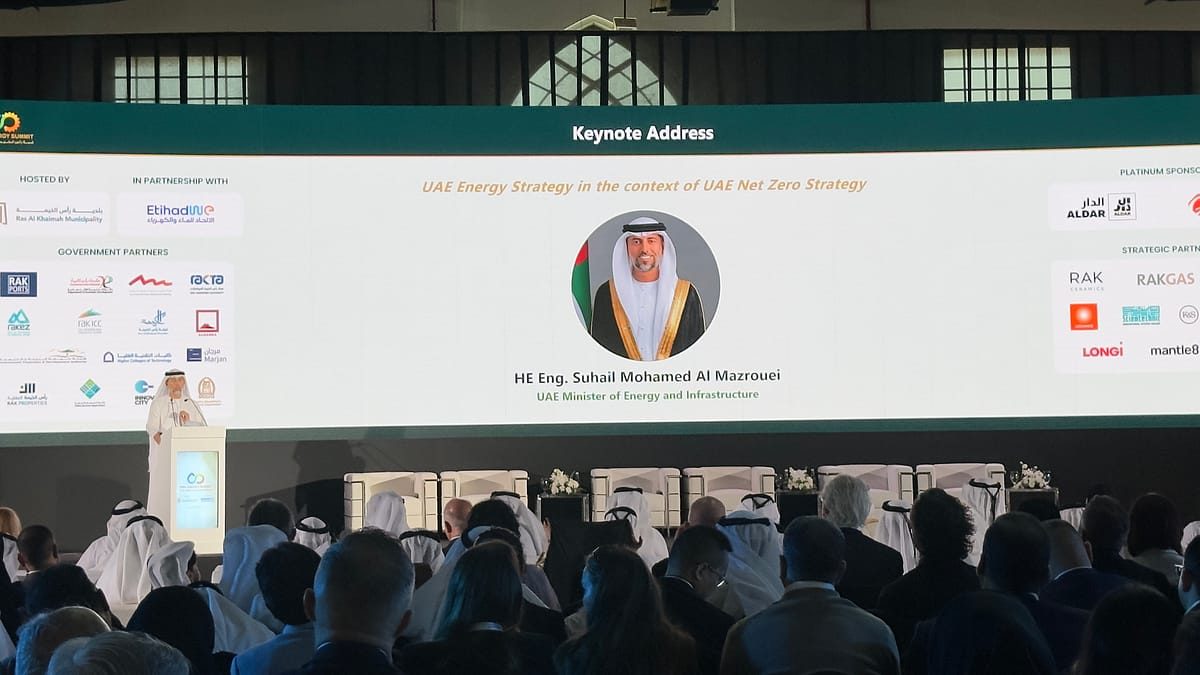
The United Arab Emirates is investigating the development of a pumped-storage hydroelectric power facility in Ras Al Khaimah, modeled after Dubai's 250-megawatt Hatta plant. This initiative aims to enhance the nation's energy storage capabilities and overall energy security.
At the Ras Al Khaimah Energy Summit, Suhail Mohamed Al Mazrouei, UAE Minister of Energy and Infrastructure, confirmed that the federal government is collaborating with Ras Al Khaimah authorities to explore this project. The plan may also involve private sector investors.
Al Mazrouei highlighted the potential of Ras Al Khaimah for such a development, stating that the project is under study in partnership with the emirate's government and possibly other investors. He referenced Dubai Electricity and Water Authority's (DEWA) Hatta pumped-storage plant as a successful example that could be replicated in other emirates.
The Hatta facility, which cost approximately Dh1.42 billion, has a generation capacity of 250 megawatts and can store up to 1,500 megawatt-hours of energy. It operates by pumping water to a higher reservoir during low electricity demand periods and releasing it through turbines to produce electricity when needed. The plant is capable of supplying power to the grid within 90 seconds and is designed for an operational life of up to 80 years.
Details such as the proposed capacity, investment amount, or timeline for the Ras Al Khaimah project have not yet been disclosed, as feasibility studies are ongoing.
Energy and Water Efficiency Targets
Minister Al Mazrouei also emphasized the importance of improving energy and water efficiency in buildings, aiming for a 20 to 30 percent reduction in consumption through enhanced systems and behavioral changes. Government initiatives have already achieved approximately 30 percent savings in water use and 28 percent in electricity consumption in public buildings.
He noted that the integration of artificial intelligence and energy management systems makes these efficiency gains attainable, describing them as "low-hanging fruit." Furthermore, demand-side management strategies are projected to save up to $12 billion by 2025 compared to a business-as-usual scenario.
Encouraging the adoption of efficient technologies among businesses and consumers is seen as critical to strengthening the UAE's energy security while reducing overall consumption.
What this means for you
- The UAE is considering a new hydropower project in Ras Al Khaimah similar to Dubai's Hatta plant.
- Efforts are underway to reduce energy and water consumption in buildings by up to 30 percent.
- Residents and businesses are encouraged to adopt more efficient technologies to support energy savings.
- Demand-side management measures are expected to significantly reduce energy costs by 2025.