Emirates Group Reports Dh3.6 Billion Profit in First Half of 2026-27 Despite Challenges
Emirates Group posted a Dh3.6 billion profit in H1 2026-27 amid regional conflict and rising fuel costs, with revenue at Dh66.2 billion.
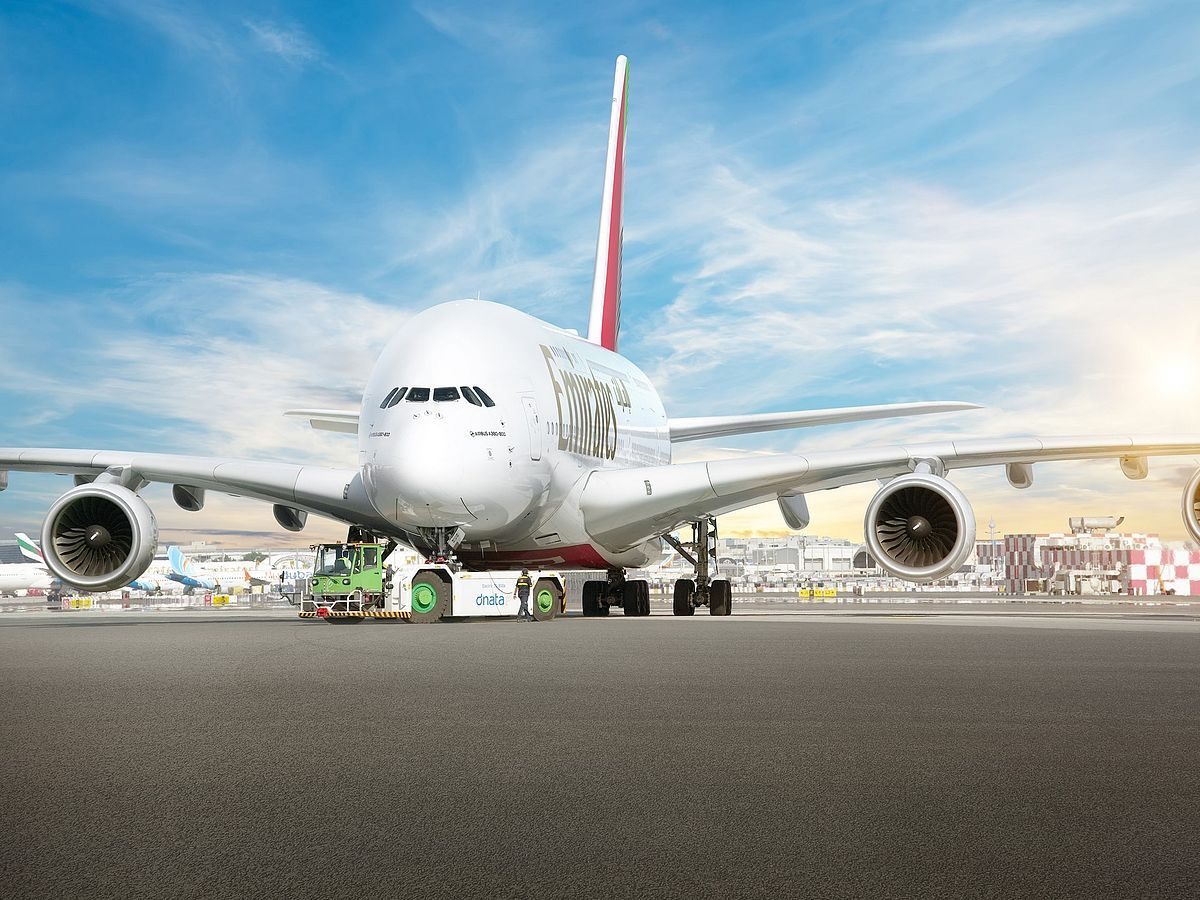
The Emirates Group announced a profit after tax of Dh3.6 billion for the first half of the 2026-27 financial year, despite facing significant regional challenges and increased fuel expenses. This represents a 66 percent decline compared to the previous year.
During this period, the Group generated Dh66.2 billion in revenue, marking a 12 percent decrease from Dh75.4 billion recorded in the same period last year. Earnings before interest, taxes, depreciation, and amortisation (EBITDA) stood at Dh12.5 billion, down 41 percent from Dh21.1 billion.
Sheikh Ahmed bin Saeed Al Maktoum, Chairman and Chief Executive of Emirates Airline & Group, attributed the results to the resilience of the Group's business model and the dedication of its teams, as well as the UAE government's support in managing the operational difficulties caused by the regional conflict.
He stated, "I would like to commend the exceptional efforts exerted by the government of the UAE and its ongoing support, which played a pivotal role in overcoming challenges and ensuring the continuity of operations in the aviation sector." Sheikh Ahmed also emphasized the Group's ongoing investments in customer experience, future capabilities, and fleet expansion to maintain its position in the global aviation industry.
The regional conflict involving the US, Israel, and Iran led to disruptions such as airspace restrictions, flight diversions, increased fuel consumption, and higher insurance costs, impacting the Gulf Cooperation Council (GCC) aviation sector. Despite these hurdles and a doubling of global jet fuel prices compared to the previous year, customer demand remained stable and cargo operations contributed strongly to revenue.
As of September 30, 2026, the Group held Dh54.1 billion in cash reserves, down from Dh59.6 billion on March 31, 2026. These reserves have been used to support business needs, including pre-delivery payments for aircraft and servicing debt. The Group also paid Dh2 billion in dividends to its owner, the Investment Corporation of Dubai, from the Dh3.5 billion declared for the 2025-26 financial year.
Industry analyst Saj Ahmad of StrategicAero Research highlighted Emirates' ability to remain profitable despite the conflict and rising fuel costs, noting that the airline's cargo business provided a valuable boost to earnings. He also pointed to the anticipated introduction of more fuel-efficient aircraft models and the potential resolution of regional tensions as positive factors for the airline's future.
The Group's workforce decreased by 2 percent to 128,237 employees by the end of September 2026 compared to March 2026.
Emirates Airline's profit before tax for the first half of 2026-27 was Dh3.7 billion, down from a record Dh11.4 billion in the same period last year, reflecting the operational challenges posed by intermittent airspace closures and travel advisories.
Looking ahead, Sheikh Ahmed expressed cautious optimism for the second half of the financial year, emphasizing the Group's strong financial position and readiness to manage ongoing volatility and fuel price fluctuations.
What this means for you
- The Emirates Group remains financially stable despite regional conflicts, ensuring continued airline operations.
- Passengers may experience changes in flight routes or schedules due to regional airspace restrictions.
- Emirates continues investing in fleet upgrades, which may improve future travel experience and fuel efficiency.
- The UAE government supports the aviation sector to maintain safe and reliable air transport during regional tensions.