Dubai to Mandate Smart Monitoring for Delivery Motorcycles Starting 2027
Dubai will require delivery companies to install smart tracking devices on motorcycles from mid-2027 to enhance road safety.
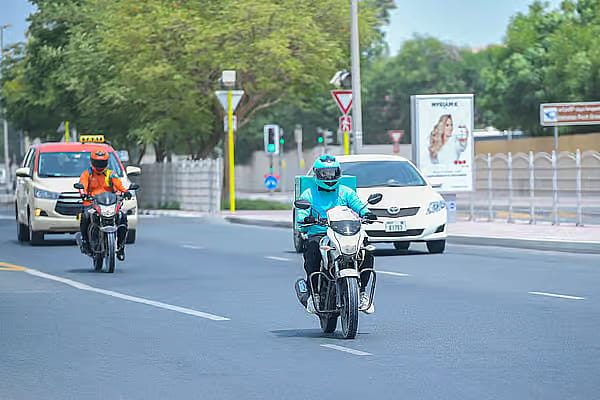
Dubai's Roads and Transport Authority (RTA) will require delivery companies to equip their motorcycles with smart monitoring devices and connect them to a digital platform starting in the second half of 2027. This system aims to enhance road safety and regulate the expanding delivery sector in the emirate.
The new integrated system will utilize Internet of Things (IoT) technology, advanced cameras, and a smart digital platform to monitor various rider behaviors such as speeding, sudden acceleration, and harsh braking. Installation of these devices and connection to the platform will remain optional until June 2027, allowing delivery companies time to prepare their fleets.
After this transition period, compliance will become compulsory. The system is designed to provide authorities with better insight into delivery motorcycle operations on Dubai’s roads and assist companies in identifying risky driving habits to prevent accidents.
Saeed Al Ramsi, Director of Licensing Activities Monitoring at the RTA, described the initiative as a major advancement in monitoring delivery operations. He explained that the system includes a smart digital platform, IoT-enabled monitoring devices, and advanced cameras fitted on delivery motorcycles.
The technology will collect and analyze data on speed, acceleration, braking, driving patterns, and routes. This will enable more accurate tracking of operational performance and detection of unsafe practices.
Moving beyond traditional inspections, the platform will provide real-time operational data to help delivery companies manage their fleets more effectively. The data will enable identification of behavioral patterns, performance assessment, and support for evidence-based training and road safety programs.
Al Ramsi emphasized that this initiative represents a shift toward proactive, data-driven regulation supported by technology and collaboration between the RTA, Dubai Police General Command, and other relevant entities. The system aims to balance operational efficiency with safety and compliance.
For delivery operators, the system offers practical tools to monitor fleet and rider performance in real time, facilitating early corrective actions and improving service quality and safety standards across the sector.
The voluntary phase before the mandatory rollout will allow companies to complete necessary technical and operational preparations. During this time, the RTA will work closely with delivery firms and other stakeholders to support readiness and smooth implementation.
Additionally, the system will create an integrated operational database to inform future regulatory policies, enhance field monitoring, and promote safer, more sustainable practices within the delivery industry.
Al Ramsi noted that technology alone will not suffice to achieve the desired improvements; regulators, companies, and riders must all contribute to the effort.
As delivery motorcycles become increasingly common throughout Dubai’s residential, commercial, and major road areas, the RTA's initiative seeks to improve accountability, enforce traffic regulations, and raise safety standards for delivery riders and other road users by combining real-time monitoring with fleet management tools.