UAE to Limit Drivers to 9 Hours of Driving per Day Starting 2027
New UAE traffic rules from 2027 set a 9-hour daily driving limit to reduce fatigue-related accidents.
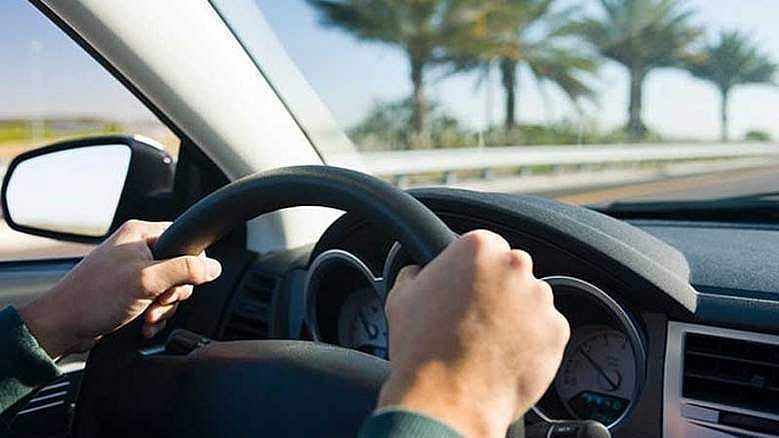
Starting January 1, 2027, drivers in the United Arab Emirates will be restricted to a maximum of nine hours of driving within any 24-hour period under new federal traffic regulations. This measure aims to curb accidents caused by driver fatigue.
The rule is outlined in Article 7, paragraph 2, of Cabinet Decision No. 174 of 2026, which implements the executive regulations of Federal Decree-Law No. 14 of 2024 concerning traffic laws. It applies broadly to all vehicle operators rather than being limited to commercial or professional drivers.
In addition to the nine-hour driving limit, the regulation explicitly prohibits motorists from continuing to drive if fatigue or exhaustion impairs their ability to operate a vehicle safely, regardless of how many hours they have driven.
Data from the Ministry of Interior revealed that in 2025, the UAE experienced 20 traffic accidents linked to driver fatigue and drowsiness. Dubai Police recently issued a caution following an incident on October 29, where a truck driver fell asleep at the wheel on Emirates Road (E611) near Abu Dhabi, resulting in a collision with a metal safety barrier. The driver sustained minor injuries and was treated at the scene.
Brigadier Juma Salem bin Suwaidan, head of Dubai Police's General Department of Traffic, emphasized the importance of adequate rest before driving and advised motorists to stop immediately if they feel tired or drowsy.
RoadSafetyUAE highlights that fatigue can impair a driver’s ability to recognize their own tiredness, making it especially hazardous. Key causes include poor sleep quality and extended periods behind the wheel. Warning signs to watch for include frequent yawning, sore eyes, slow reaction times, difficulty keeping the head upright, lane drifting, inconsistent speed, and memory lapses about recent driving.
The organisation recommends drivers get seven to eight hours of continuous sleep before traveling and to take 15-minute breaks every two hours during long drives. It advises that motorists who feel fatigued should safely pull over and rest, noting that temporary measures like listening to music or opening windows only provide short-term alertness, with sleep being the only effective remedy.
What this means for you
- Drivers must not exceed nine hours of driving within a 24-hour period starting in 2027.
- Motorists should stop driving immediately if they feel tired or drowsy, regardless of driving time.
- It is advised to get seven to eight hours of uninterrupted sleep before driving.
- Take regular breaks of at least 15 minutes every two hours during long journeys.