UAE Alerts Shoppers to Legal Risks of Buying Counterfeit Goods
UAE authorities warn consumers that knowingly purchasing fake or adulterated products may lead to legal penalties under new anti-fraud regulations.
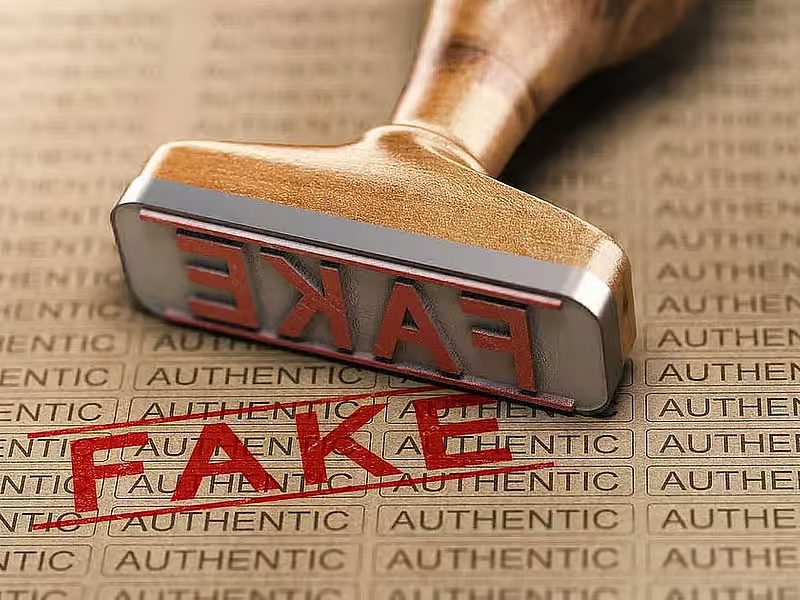
Authorities in the United Arab Emirates have issued a warning to consumers about the legal consequences of knowingly buying counterfeit, adulterated, or spoiled products. This warning comes as part of the recently implemented Executive Regulations of the Anti-Commercial Fraud Law, introduced under Cabinet Decision No. (107) of 2026.
The new regulations, which were launched last month, stipulate that both sellers and buyers who intentionally deal in fraudulent goods may face penalties. Safeya Al Safi, Assistant Undersecretary for the Commercial Control and Governance Sector at the Ministry of Economy and Tourism, confirmed that all parties knowingly involved in commercial fraud could be subject to consequences, although specific penalties have not yet been detailed.
Al Safi explained that the law adopts a graduated penalty system, starting with warnings and potentially escalating to temporary license cancellations. She said, "The penalty can go as the last step. So, there will be warnings and then maybe a temporary cancellation of licenses. We will be having gradual penalties."
The regulations aim to reduce the demand for counterfeit goods, which undermine market integrity and pose significant health and safety risks, particularly when involving food items, pharmaceuticals, cosmetics, or other regulated products.
Penalties for Violations
Administrative sanctions may be applied to traders who knew or should have known, based on their professional role, that the goods they handled were counterfeit, spoiled, or adulterated. The regulations specifically highlight several situations that warrant penalties, including:
- Handling products related to pharmaceutical drugs, agricultural produce, or organic foods
- Reintroducing spoiled or adulterated goods despite awareness of their unfitness for use
- Purchasing counterfeit items with the intention to resell for unlawful profit
- Engaging in deceptive promotion, marketing, or advertising
Al Safi emphasized that the ministry will enforce these rules with zero tolerance for commercial fraud or counterfeit trading, working closely with relevant authorities.
Reporting and Public Awareness
Consumers are encouraged to report suspected fraud through the ministry’s communication channels or other appropriate authorities. Al Safi highlighted the importance of public awareness, stating that notifying the public about fraudulent products is crucial.
According to the regulations, once authorities receive a notification about adulterated, spoiled, or counterfeit goods, a public announcement must be made within 48 hours in designated media outlets. This timeframe can be shortened if the products pose risks to human or animal health or the environment. The announcement must specify the details of the goods and be published in both Arabic and English.
The regulations also allow for conciliation in certain cases where violations occurred due to mistake or negligence, provided no similar penalty has been imposed on the offender in the previous 12 months.