Ajman to End Cash Payments on Three Bus Routes from September 2026
Ajman Transport Authority will stop accepting cash on select bus routes from September 17, 2026, favoring digital payments.
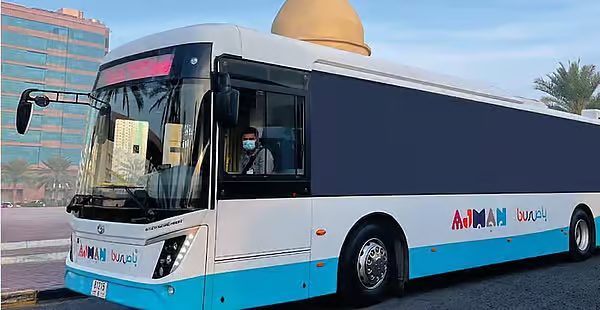
The Ajman Transport Authority announced that starting September 17, 2026, cash payments will no longer be accepted on three bus routes within the emirate. Passengers traveling on the Sharjah, Dubai, and Umm Al Quwain routes in Ajman will be required to pay for bus tickets using the Masaar Money card or bank cards.
Masaar Money is the official payment card for bus rides in Ajman. It can be obtained free of charge from all Ajman Transport Authority branches and authorized sales points throughout the city, but users must top up the card to use it for fare payments.
In addition to the bus routes, the authority confirmed that cash payments will also be discontinued at the Speed Vehicle Testing and Registration Centre from the same date, with only electronic payment methods accepted thereafter.
This move aligns with broader trends in the UAE towards digital payment methods. A recent Visa report highlighted the country's accelerating shift to a digital-first payments economy, where mobile and card transactions dominate daily spending while cash usage continues to decline.
The report noted that only 16 percent of UAE consumers still use cash for everyday purchases, down from 25 percent the previous year. This decline is evident across sectors traditionally reliant on cash, such as local markets, taxi services, and bill payments, with double-digit percentage drops in cash usage year over year. The shift is considered structural, driven by the increasing speed, reliability, and convenience of digital payment options.
Despite the overall reduction, cash remains in use for specific purposes. Tipping is identified as the largest category for physical currency, with 58 percent of consumers still paying tips in cash due to social customs and situational convenience.
Earlier in June, Dubai began phasing out cash payments at parking meters as part of its Cashless Strategy for 2026, reflecting a nationwide push toward digital transactions.