UAE Doctors Explain Post-Holiday Fatigue Linked to Heat Readjustment
Returning from cooler climates to UAE heat can cause fatigue due to the body's readjustment to temperature and disrupted routines.
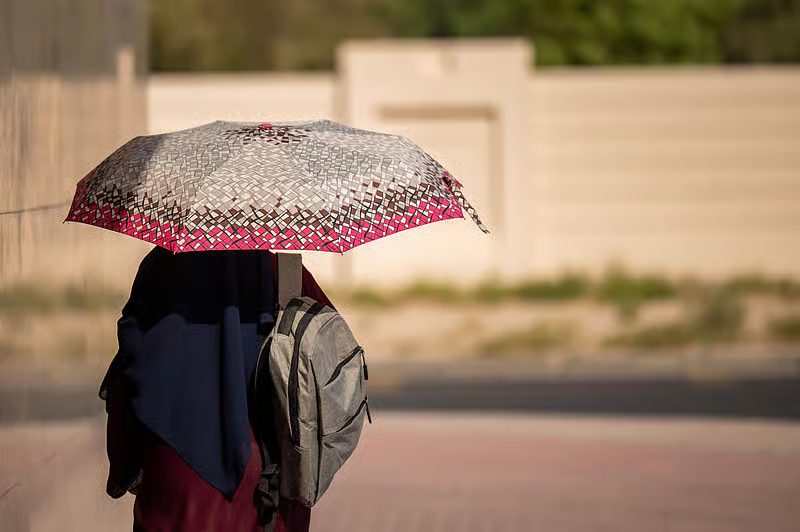
Residents returning to the UAE after holidays in cooler climates may experience increased fatigue as their bodies adjust to the region's intense heat and humidity, medical professionals have explained.
According to research by the National Institute for Occupational Safety and Health (NIOSH), people away from hot environments for a week or more can lose some of their heat-acclimatisation, requiring a gradual readjustment upon return.
Doctors note that the abrupt transition to the UAE’s hot, humid conditions forces the body to work harder to regulate temperature. This process involves increased blood flow to the skin and sweating, which serve as primary mechanisms for heat release.
Dr Safaa Fadel, Specialist Family Medicine at Burjeel Medical City, described how this extra effort can lead to feelings of heaviness and sluggishness. She added that heat tolerance diminishes after time spent in cooler environments, necessitating a period of heat re-acclimatisation.
“Jet lag or disrupted sleep can compound the effects of the heat, making a person feel more fatigued than they would from the temperature change alone,” Dr. Fadel said, emphasizing that changes in sleep patterns, hydration, and daily routines also contribute to post-holiday tiredness.
Dr Renuka Ramasamy, Specialist Family Medicine at International Modern Hospital Dubai, highlighted that dehydration and fatigue often occur together, especially since high humidity reduces the efficiency of sweat evaporation, the body’s natural cooling method.
She explained that symptoms such as headaches, dizziness, and difficulty concentrating can arise from even mild dehydration. Travel-related disruptions to sleep, meals, and exercise routines may leave individuals already tired or dehydrated before re-entering the UAE heat, intensifying the physical stress.
Certain groups, including older adults, young children, pregnant women, individuals with chronic conditions, and those on specific medications, are more vulnerable to heat-related fatigue. Outdoor workers and people engaging in intense physical activity outdoors also face increased risks.
To manage this transition, Dr Shahzadi Saba, Specialist Family Medicine at NMC Medical Centre in Abu Dhabi, advised a gradual return to normal activities rather than an immediate resumption of demanding schedules.
She stressed the importance of regular fluid intake, adjusted according to sweat loss, with water sufficient for most daily needs. For those experiencing heavy or prolonged sweating, electrolyte-containing drinks or lightly salted snacks alongside fluids can aid recovery.
Dr. Saba cautioned against excessive water consumption, particularly during endurance exercise, as overhydration can be harmful. She suggested monitoring hydration levels by observing urine color, with pale yellow indicating adequate hydration. However, she noted that certain medications, supplements, and medical conditions might affect urine color, and individuals with heart or kidney disease or fluid restrictions should seek personalized advice.